How to Choose a Wire Supplier: 7 Things to Check Before Ordering
Picking the wrong wire supplier can cost you lakhs in rework, delays, and rejected batches. Here are seven checks I have learned to make over 40 years in the wire trade before I commit to a new supplier relationship.
Over four decades in this business, I have seen countless buyers make the same mistake: they choose a wire supplier based on price alone. The cheapest quote wins, and six months later they are dealing with quality rejections, late deliveries, and a production line that has ground to a halt. Then they come back to us, and we sort it out. But the damage is done.
Here is what I have learned about choosing a wire supplier the right way. These seven checks will save you money, time, and headaches.
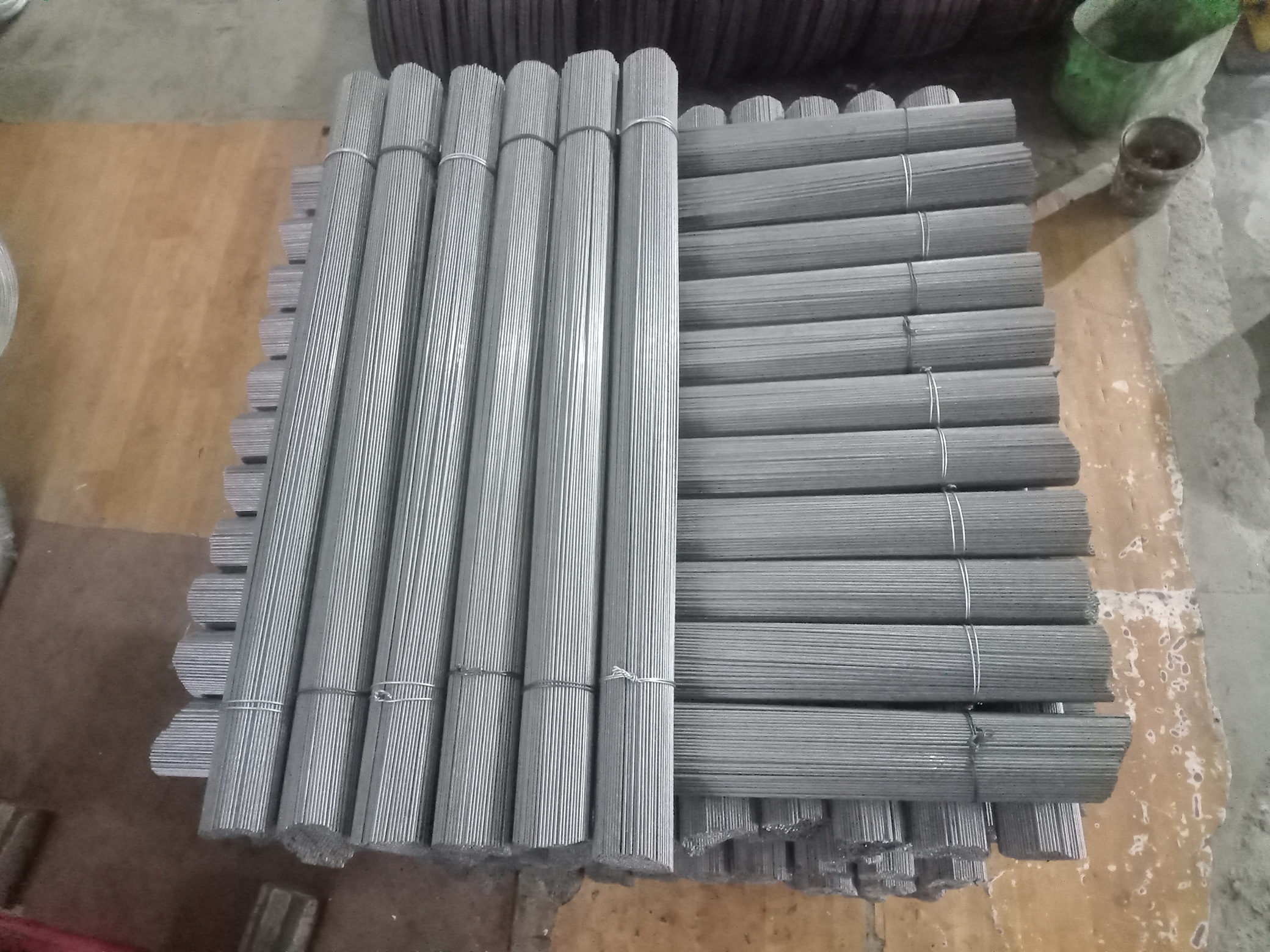
Choosing the right supplier is about delivery, quality systems, and transparent pricing — not just the lowest quote
1. Check Delivery Speed and Reliability
The first thing I check is not price — it is delivery. A cheap supplier who delivers late is more expensive than any premium supplier who delivers on time. Ask for recent delivery performance data. Not promises, actual records. How many orders shipped on time in the last quarter? What is their average delay when they miss?
I also check whether they carry stock or manufacture to order. A supplier who carries finished stock can ship in days. A supplier who manufactures to order will need weeks. Neither is wrong, but you need to know which one you are dealing with before you have a production emergency.
Red flag: If a supplier cannot give you specific delivery performance numbers, or if they say "we always deliver on time" without data, be cautious. Every established supplier tracks this metric.
2. Verify Quality Systems, Not Just Test Certificates
A test certificate is a piece of paper. It tells you what the supplier wants you to believe about that specific batch. What matters is the quality system that produced it. Ask about their incoming raw material inspection, in-process quality checks, and final testing protocols.
For critical applications — grounding wire, enamelled winding wire, ACSR core wire — I recommend visiting the supplier's facility if possible. See the testing equipment. Ask to see their non-conformance records. A supplier who is open about quality issues is more trustworthy than one who claims zero defects.
Red flag: "All our material is tested and certified." This tells you nothing. Ask specific questions: what tests, what standards, how often, who performs them, what happens when a batch fails?
3. Understand Their Pricing Structure
A low price is not necessarily a good price if it comes with hidden costs. I always ask suppliers to break down their pricing: base material cost, processing, coating/enamel, packaging, transport, GST. A transparent supplier will share this. A supplier who gives you a flat "this is the price" without breakdown is often hiding something.
Also check: is the price firm for a period, or does it fluctuate with commodity markets? How much notice do they give for price changes? Do they have a price escalation clause? These details matter when you are budgeting for a production run.
4. Test Communication Responsiveness
Here is a simple test: send an inquiry with a detailed specification and see how long they take to respond. Not just the initial quote, but follow-up questions. Do they answer clearly or dodge? Do they ask clarifying questions about your application, or do they give a generic response?
The way a supplier handles your pre-order inquiries tells you exactly how they will handle post-order issues. A supplier who is slow, vague, or dismissive during the sales process will be impossible to deal with when you have a quality problem or a delivery delay.
5. Review the Returns and Rejection Policy
Every wire buyer eventually receives a batch that does not meet specification. It happens. What matters is how the supplier handles it. Before you place your first order, ask: what is your returns policy? Who pays for return freight? How do you handle quality disputes? Is there a third-party testing process for disagreements?
A supplier with a fair, documented returns policy is a supplier who stands behind their product. A supplier who says "we have never had a quality issue" is either lying or has never been in business long enough to have one.
6. Assess Longevity and Industry Standing
How long has the supplier been in business? Who are their existing customers? Can they provide references? In the wire trade, longevity is a reliable signal. A supplier who has been operating for 20+ years has survived market cycles, commodity crashes, and competitive pressures. They know their business.
Check GST registration, Udyam registration, and any industry certifications. A legitimate supplier will have all of these in order. I also check with other buyers in the market. The wire industry in India is a small community — word travels fast about who is reliable and who is not.
7. Evaluate Technical Expertise
The best wire suppliers are those who understand your application. When I speak with a buyer, I ask about their usage — what they are making, how the wire is processed, what failure modes they worry about. A supplier with genuine technical expertise will ask you these questions. They will offer suggestions about gauge, temper, coating, packaging.
A supplier who just takes your order and processes it without any technical engagement is a transactional vendor, not a partner. For critical applications, you want a partner who can help you avoid problems before they occur.
Putting It All Together
Here is the thing: no supplier will score perfectly on all seven checks. The goal is not to find a perfect supplier — it is to understand where their strengths and weaknesses are so you can make an informed decision. If a supplier is weak on delivery but strong on quality and price, you can plan around the delivery risk. If a supplier is weak on quality, no amount of delivery reliability or low price makes up for it.
Over 40 years, I have found that the best supplier relationships are built on transparency. A supplier who is honest about their limitations, clear about their pricing, and responsive to your needs is worth more than any discount. The cheapest quote is rarely the cheapest in the long run.
Printable Supplier Evaluation Scorecard
Use the scorecard below to rate each potential supplier against the seven checks. Assign a weight based on how important each criterion is for your application (higher weight = more important), then score the supplier from 1 (poor) to 5 (excellent). Multiply Weight × Score to calculate the weighted score. Total all weighted scores to compare suppliers objectively.
| Evaluation Criteria | Weight (%) | Score (1–5) | Notes |
|---|---|---|---|
| 1. Delivery Speed & Reliability | ___ % | __ | _________________ |
| 2. Quality Systems | ___ % | __ | _________________ |
| 3. Pricing Structure & Transparency | ___ % | __ | _________________ |
| 4. Communication Responsiveness | ___ % | __ | _________________ |
| 5. Returns & Rejection Policy | ___ % | __ | _________________ |
| 6. Longevity & Industry Standing | ___ % | __ | _________________ |
| 7. Technical Expertise | ___ % | __ | _________________ |
| Total | 100 % | ___ |
How to use: Fill in weights so they total 100%. Score each criterion 1–5. Multiply weight by score for each row, sum the results. Compare total scores across suppliers. A score below 2.5 in any single criterion is a serious concern.
Specific Questions to Ask Suppliers
Walk into any supplier conversation with these questions. The answers will tell you far more than any brochure ever could.
Delivery Speed & Reliability
- What was your on-time-in-full (OTIF) percentage for the last four quarters?
- Do you maintain finished-goods inventory, or is everything made to order? What is your typical stock depth per SKU?
- What is your standard lead time from order confirmation to dispatch?
- How do you handle rush orders when a customer has a production stoppage?
- What is your process for communicating delays before the original promised ship date?
- Can you share two customer references specifically for delivery performance?
- What backup transport arrangements do you have if your primary logistics provider fails?
Quality Systems
- What raw material specifications do you use, and who are your upstream mill suppliers?
- Do you perform incoming inspection on every coil or rely on mill test certificates?
- What in-process quality checks are performed during drawing, annealing, and coating?
- Which standards (IS, ASTM, BS, DIN) do you test against, and which third-party lab do you use for verification?
- What was your internal rejection rate (non-conformance) last quarter, and what were the top three causes?
- How are non-conforming materials segregated and disposed of?
- Can we tour your testing lab and see the equipment in operation?
Pricing Structure
- Can you provide a line-item price breakdown: base metal, processing, coating, packing, freight, and taxes?
- Is your pricing firm for a quoted validity period, and how long is that period?
- How do you handle commodity price fluctuations — do you have a price escalation or de-escalation formula?
- What volume discounts apply at different order quantities?
- Are there any hidden or additional charges (packing extra, loading fees, minimum lot surcharge, documentation fees)?
- What are your payment terms, and is there a discount for early payment or LC?
Communication Responsiveness
- Who is our dedicated point of contact for order status, quality issues, and commercial queries?
- What is your typical response time for email and phone inquiries during business hours?
- Do you provide proactive shipment tracking updates, or must we ask each time?
- How are quality complaints escalated, and what is the resolution timeline commitment?
- Is there a 24×7 contact for production-line emergencies?
- In what language(s) can we communicate comfortably for technical specifications?
Returns & Rejection Policy
- Do you have a written returns and rejection policy you can share before the first order?
- What is the time window for reporting quality discrepancies after delivery?
- Who bears the return freight and restocking fees for a confirmed quality issue?
- How do you handle disputes — is there a mutually agreed third-party testing laboratory?
- What happens if the rejected material is urgent and we need a replacement shipped immediately?
- Do you provide credit notes promptly, or is there a lengthy approval process?
- Have you ever rejected material upstream from a mill and how was that handled?
Longevity & Industry Standing
- How many years has the company been operating under current ownership and management?
- Can you share three customer references from companies that have ordered for more than two years?
- What is your GST registration number, Udyam registration number, and any applicable ISO or industry certifications?
- Are you registered on trade platforms like TReDS, GeM, or major industry portals?
- Have you ever been blacklisted or suspended by a customer or industry body?
- What is your annual turnover, and has it grown, shrunk, or stayed flat over the last three years?
Technical Expertise
- What is your experience with wire for my specific application (e.g., transformer winding, ACSR, grounding, armouring, fencing)?
- Can you recommend the optimal temper, gauge, and coating for my manufacturing process and end-use environment?
- Do you have a metallurgist or applications engineer available for technical consultations?
- What packaging options do you offer to prevent transit damage, corrosion, or coil entanglement?
- Have you solved a technical problem for a customer that reduced their scrap rate or improved product performance?
- What new wire products or processing capabilities have you added in the last two years?
Expanded Red Flags — What to Watch Out For
Some warning signs are obvious. Others emerge only after you have been burned. Here is a detailed reference of red flags organised by severity.
| Red Flag | Severity | Why It Matters |
|---|---|---|
| Supplier cannot provide specific delivery performance data (OTIF %) | Critical | Every established supplier tracks OTIF. No data means they either do not measure performance or they know their numbers are bad. Either way, you are flying blind on delivery reliability. |
| Claims "zero defects" or "100% quality" without evidence | Critical | No manufacturing process produces zero defects indefinitely. A supplier who claims perfection is either inexperienced, dishonest, or has never been audited properly. Real quality comes from robust non-conformance management, not denial. |
| Flat "this is the price" with no breakdown | Critical | Without a line-item breakdown, you cannot compare quotes meaningfully, negotiate specific cost components, or understand where a supplier is cutting corners. Opaque pricing often hides lower-grade material or thinner gauges. |
| No written GST/Udyam registration or ISO certification | Critical | A legitimate wire supplier must be GST-registered and Udyam-registered in India. Absence of these documents suggests a fly-by-night operation. You risk input tax credit denial and have no legal recourse if the material is substandard. |
| Takes weeks to respond to inquiries or gives vague answers | High | The sales process is a preview of the service relationship. If they are slow, dismissive, or evasive before you have placed a single order, imagine trying to resolve a rejected batch or delayed shipment with them. |
| Unwilling to share customer references or past client list | High | Reputable suppliers have long-term customers they can point to. Refusal to provide references usually indicates recent complaints, unpaid dues, or a customer base that will not vouch for them. |
| Price is significantly lower than all competing quotes | High | In wire, you get what you pay for. An outlier-low price almost always means underweight coils, lower-grade copper/aluminium, thinner galvanisation/coating, or relaxed tolerances. The savings vanish when you factor in rework and rejection. |
| No returns policy or says "we have never had a quality issue" | High | Every supplier eventually ships a non-conforming batch. A supplier without a documented returns process leaves you with no remedy when it happens. The claim of never having a quality issue is almost certainly false. |
| No technical engagement — just takes the order and processes it | Medium | A purely transactional supplier may be acceptable for standard commodity wire, but for any critical application you need technical input. Lack of engagement means they will not flag potential problems with your specification. |
| Pressures for an immediate decision or large advance payment | Medium | High-pressure tactics are common among suppliers who need cash flow urgently — often because of upstream payment issues or poor financial discipline. A legitimate supplier will give you time to evaluate. |
Case Study 1: The Transformer Manufacturer Who Skipped the Audit
A mid-size transformer manufacturer in Gujarat needed a regular supply of 2.5 mm electrolytic copper wire for distribution transformer windings. Their existing supplier had raised prices by 18% over two quarters, pressuring margins. A new supplier from Maharashtra offered copper winding wire at 12% below market rate, with a promise of IS 8130 compliance and prompt delivery. The purchasing manager, under pressure to cut costs, placed a trial order for 15 tonnes without visiting the facility or performing a proper quality audit.
The first three deliveries arrived on time and passed basic dimensional checks. Encouraged, the manufacturer placed a full production order of 45 tonnes. It was only after winding the wire into transformer coils that problems emerged: the actual copper conductivity was 98% IACS instead of the specified 100%, resistance values drifted beyond IS 8130 tolerance, and the enamel insulation showed pin-hole failures in the standard heat-shock test. By then, 18 finished transformers had to be stripped and rewound. The copper wire itself had begun to exhibit surface cracking during winding — a sign of poor annealing.
Financial impact: Stripping and rewinding 18 transformers cost ₹8.4 lakh in direct labour and materials. The plant lost 22 production days, delaying customer deliveries and incurring ₹3.2 lakh in penalty clauses. Independent testing confirmed the wire was recycled copper with substandard annealing and enamel — not prime-grade electrolytic copper. The supplier refused to accept liability, citing the absence of a signed quality agreement. The manufacturer ultimately had to source replacement wire from a verified supplier at market rates, paying ₹2.1 lakh in urgent air freight to recover the schedule.
Lesson: The 12% price saving on the trial order was approximately ₹1.6 lakh. The total realised loss exceeded ₹13.7 lakh, plus reputational damage with their end customers. A simple factory audit and a review of the supplier's quality system would have revealed the recycled copper feed and inadequate annealing furnace. The purchasing manager now requires a signed quality agreement with every new supplier and conducts facility audits before the first production order.
Case Study 2: The Motor Rewinder Who Found a Partner
A motor rewinding workshop in Coimbatore specialised in repairing large HT and LT motors for textile mills and pump manufacturers. Their biggest challenge was inconsistent quality in the enamel copper wire they received from multiple local traders — every batch behaved differently during winding, leading to uneven coils, insulation damage, and callbacks. The owner decided to find a single wire supplier who could provide consistently annealed, properly enamelled winding wire with documented test results for every batch.
Instead of choosing the cheapest quote, the owner evaluated three suppliers using a structured process. He sent a detailed specification including required conductivity (100% IACS), enamel grade (Class F / 155°C), thermal rating, and elongation percentage. He asked each supplier for a process description, mill source traceability, and three customer references. One supplier — a wire trader with 25 years in business — responded with a detailed breakdown, offered to arrange a call with their upstream mill's quality manager, and sent samples that were independently tested before the order.
Over 18 months, the workshop placed 22 orders totalling 34 tonnes of enamelled copper wire. The rejection rate dropped from approximately 7% (with multiple traders) to under 0.5%. The workshop eliminated the 4–6 hours per week previously spent chasing multiple suppliers and reconciling inconsistent quality. The single-supplier relationship also meant the trader understood the workshop's specific winding processes and began proactively suggesting tweaks in enamel grade for different motor rewinding applications, reducing coil failure rates further.
Financial impact: The price per kg was 3% higher than the cheapest trader quote. However, the workshop saved approximately ₹4.8 lakh annually in reduced rework, testing time, and callback warranty claims. The elimination of supplier chasing freed the owner to take on 12% more rewinding jobs per year. The consistent wire quality also improved the workshop's reputation, leading to contracts with two large textile mills that now send all their motor rewinding work exclusively to this shop. The workshop's annual revenue grew by nearly 30% within two years of making the switch.
Continue Reading
Get a Quote Within 2 Working Days
Four decades of wire trading expertise. Quality materials, transparent pricing, reliable delivery. Let us show you what a good supplier relationship looks like.