Supplier Quality Variation: Why Your First Order Is Fine, Second Batch Fails
You found a supplier who gave you a great price on GI wire. The first batch was perfect. The second batch snapped during tying, rusted within weeks, or was 0.2 mm thinner than spec. This is supplier quality variation — and it is the most expensive hidden cost in wire procurement.
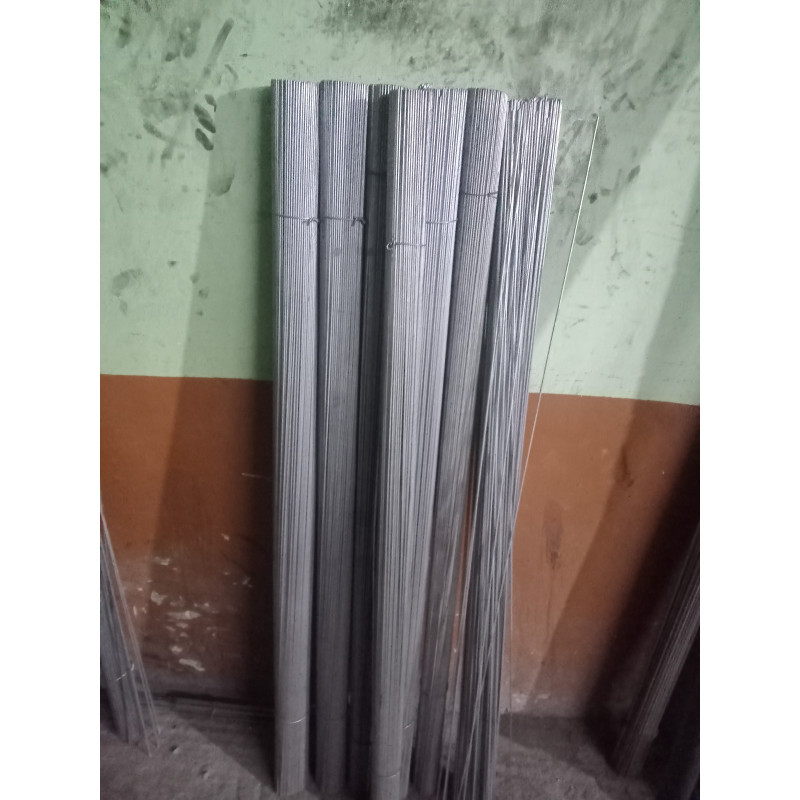
First batch passes — second batch fails. Same price, half the zinc. How to catch it before installation.
Why Supplier Quality Variation Happens
The economics of wire manufacturing create a natural incentive for quality variation. Here is how it works:
A wire manufacturer has two production tiers: a premium line that meets IS standards consistently, and a budget line that cuts every corner. The budget line uses lower-grade steel rod (with higher sulphur and phosphorus content that makes the wire brittle), skips the annealing process, applies a thinner zinc coating, and draws to the minimum diameter within the tolerance band (or below it).
When a new buyer approaches them, the manufacturer supplies from the premium line to win the account. The buyer is happy with the quality and price. On the second order, the manufacturer supplies from the budget line. The price stays the same, but the margin doubles. The buyer assumes the quality is the same. It is not.
Industry insider note: We have seen cases where a supplier's IS 280 compliant GI wire had a zinc coating of just 18 g/m² on the second batch — one-tenth of the IS 280 Heavy coating minimum of 180 g/m². The wire looked identical to the first batch. It rusted within three months outdoors. The buyer discovered the variation only after 2 km of fencing had been installed.
The Real Cost of Supplier Quality Variation
Switching to a cheaper supplier might save you ₹2-5 per kg on wire. But the hidden costs of quality variation add up fast:
| Cost Factor | Typical Impact | Notes |
|---|---|---|
| Rework/replacement labour | ₹15-30 per metre | Removing and replacing failed wire costs 3-5x the material cost |
| Project delay penalties | ₹50K-₹5L per day | Liquidated damages for delayed handover |
| Structural failure | ₹5L-₹50L+ | Failed rebar ties, collapsed fencing, electrical shorts |
| Inspection and testing | ₹5,000-₹25,000 | Third-party testing when you suspect quality issues |
| Reputation damage | Immeasurable | Your client does not care that your supplier changed quality. They blame you. |
A typical construction project using 5 tonnes of HB wire saves ₹10,000-₹25,000 by choosing the cheapest supplier. A single batch failure costs 10-50 times that amount. The math is clear.
How to Verify Batch Quality Before You Accept Delivery
You do not need a full metallurgical lab to catch quality variation. These five checks catch 90% of quality issues:
1. Diameter Check (3-minute test)
Use a digital calliper or micrometer to measure the wire diameter at 10 random points across the batch. IS standards allow ±2.5% on diameter. If the average is below the nominal diameter or any single reading is more than 3% below nominal, reject the batch. Record the readings — a pattern of variation across the batch indicates poor process control at the mill.
2. Tensile Test (10-minute test)
Portable tensile testers are available for under ₹15,000. Cut a 300 mm sample, clamp both ends, and apply tension. Record the breaking load. Compare to the IS standard minimum for that gauge and material. If the breaking load is more than 10% below spec, the wire is either the wrong grade or has internal defects.
3. Zinc Coating Weight (GI wire only, 20-minute test)
Weigh a clean wire sample (W1, in grams). Immerse in inhibited hydrochloric acid to dissolve the zinc coating. Weigh again (W2). The zinc weight is W1 - W2. Divide by the surface area of the sample to get g/m². IS 280 Heavy coating requires ≥180 g/m². If the actual value is below 150 g/m², the wire will rust prematurely.
4. Bend Test (2-minute test)
Clamp the wire in a vice and bend it 90 degrees, then back to straight. Repeat. IS standards require a minimum number of bends without fracture (typically 4-6 for HB wire, 3-5 for GI wire). If the wire snaps earlier, it is brittle — likely due to poor annealing or high sulphur content in the steel.
5. Visual Inspection (5-minute check)
Lay out 10 metres of wire in good light. Look for: uneven surface texture, flaking zinc (GI wire), rust spots (HB wire stored poorly), kinks from poor coiling, and colour variation along the length. Any of these indicate a quality problem.
Pro tip: Build batch verification into your purchase agreement. State that you reserve the right to test samples from each delivery and reject non-compliant batches at the supplier's cost. Suppliers who are confident in their quality will agree. Suppliers who resist are telling you they have something to hide.
The Real Cost of Switching Suppliers
We see buyers switch suppliers to save ₹3-5 per kg, only to switch back after a bad batch. The true cost of switching includes:
- Qualification cost: 2-4 weeks of sampling, testing and evaluation before you can trust a new supplier
- Risk of first-batch bait-and-switch: As described above, the first batch is always premium. The second batch may not be.
- Payment terms friction: New suppliers typically demand advance payment or shorter credit terms. Older, trusted suppliers may offer 30-60 day credit.
- Consistency break: Your production team gets used to a certain wire behaviour (flexibility, knot-holding, spool quality). A new supplier's wire, even if technically compliant, will behave differently.
A stable relationship with a quality-verified supplier is worth a premium of ₹5-10 per kg. Every time you switch, you introduce risk. The buyer who switches suppliers four times in a year to save money is usually spending more in hidden costs than they save in visible procurement costs.
Continue Reading
Get Consistent IS-Compliant Wire Every Batch
Goyal Metal has supplied consistent quality to Indian buyers since 1985. Every batch is tested before dispatch. No bait-and-switch. No quality variation. Request a quote and compare the difference.