The Copper → Aluminium Shift: What You Need to Know Right Now
Copper prices have been on a sustained upward trajectory, pushing manufacturers and contractors to seriously consider aluminium as a substitute. Aluminium inquiries at Goyal Metal are up 60% year-on-year. Here is the full picture: who is switching, who is not, and what it means for your next procurement decision.
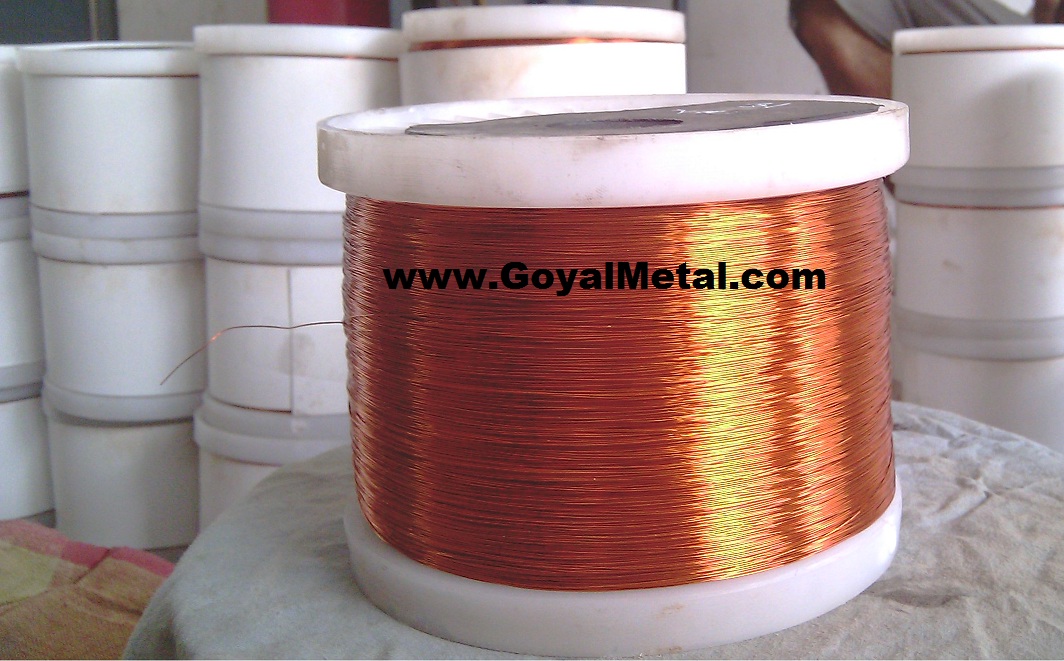
Copper — up 35% in 18 months, driving buyers to alternatives
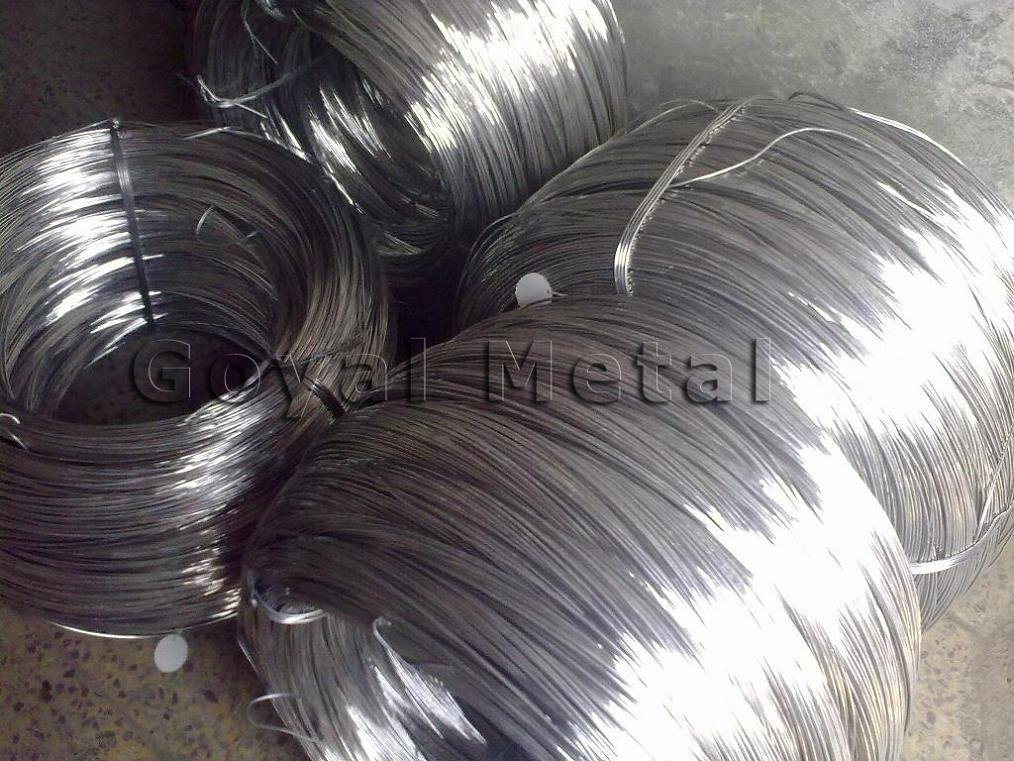
Aluminium — inquiries up 60% YoY, driven by copper price volatility
Why Copper Prices Are Rising & Why Aluminium Is Gaining
Copper prices are driven by three structural factors that are unlikely to reverse:
- Supply constraints: Major copper mines in Chile and Peru are facing declining ore grades, water shortages, and labour disputes. New mine development takes 10-15 years. Global copper supply growth is forecast at just 1.5% per year through 2030.
- Demand from green energy: Electric vehicles use 3-4x more copper than ICE vehicles. Solar and wind installations are copper-intensive. The International Energy Forum projects copper demand will exceed supply by 6 million tonnes annually by 2030.
- India's infrastructure boom: India's per capita copper consumption is just 0.6 kg vs the global average of 2.7 kg. As Indian infrastructure and electrification expand, domestic copper demand is growing at 8-10% annually.
Aluminium, by contrast, has more abundant raw materials (bauxite), lower production costs, and a more diversified supply chain. At current prices, aluminium is approximately one-third the cost of copper by weight, and when adjusted for conductivity (aluminium needs 1.6x area), it is still roughly 50% cheaper on a cost-per-amp basis.
Market data point: At Goyal Metal, aluminium wire inquiries have risen from 15% of total electrical wire inquiries in 2024 to 24% in 2026 — a 60% increase. The shift is most pronounced in power distribution (33% of inquiries now aluminium) and transformer manufacturing (28%).
Who Is Switching & Who Is Staying with Copper
Good Candidates for Aluminium
- Overhead power transmission lines
- Large busbars and switchgear
- Transformer windings (dry-type)
- Industrial cable trays (large cross-section)
- Automotive wiring harnesses (non-critical)
- Solar farm cabling
- Temporary power distribution
Stay with Copper
- Building wiring (domestic and commercial)
- Electronic and appliance internal wiring
- Enamelled winding wire for motors
- Flexible cables (frequent movement)
- Underground power cables
- Marine and offshore applications
- High-temperature environments
The dividing line is simple: aluminium works well for large, fixed installations where space is not a constraint and terminations are bolted. Copper remains essential where space is tight, movement is frequent, or reliability requirements are extreme.
Copper vs Aluminium · Technical Comparison
| Parameter | Copper | Aluminium | Implication |
|---|---|---|---|
| Conductivity (IACS) | 100% | 61% | Al needs 1.6x cross-section for same current |
| Density | 8.96 g/cm³ | 2.70 g/cm³ | Al is 70% lighter even after upsizing |
| Tensile Strength | 200-400 MPa | 70-180 MPa | Copper is stronger; Al needs more support |
| Thermal Expansion | 17 ppm/°C | 23 ppm/°C | Al expands more; joint design critical |
| Corrosion | Resists most environments | Forms protective oxide | Both good; Al oxide needs cleaning before termination |
| Flex Fatigue | Excellent | Poor | Al breaks under repeated bending; not for flexible use |
| Joining | Solder, crimp, bolt | Crimp or bolt only (no solder) | Al requires special connectors and trained installers |
| Relative Cost (per amp) | 100% (baseline) | ~50% | Al is cheaper even accounting for upsizing |
What This Means for Your Procurement Strategy
If you are considering switching from copper to aluminium, here is a practical roadmap:
- Identify which of your products can switch — Use the "Good Candidates for Aluminium" list above. Do not try to force aluminium where copper is essential.
- Redesign for aluminium (do not just substitute) — Aluminium needs larger conductor cross-sections, different termination methods, and careful thermal expansion management. A drop-in substitution will fail.
- Train your installation team — Aluminium termination is different from copper. Improper installation is the leading cause of aluminium connection failures. Oxide removal, anti-oxidant compound, and proper torque are critical.
- Source from a reliable supplier — Aluminium wire quality varies significantly between mills. Poor quality aluminium has impurities that increase resistance and reduce ductility. Buy from a supplier who tests every batch.
- Keep both options open — The copper-aluminium price gap may narrow if copper prices correct. Maintain relationships with both supply chains so you can flex between materials as market conditions change.
The bottom line: The copper-to-aluminium shift is real, accelerating, and driven by structural supply constraints on copper. It is not a temporary trend. Buyers who plan their transition now will have a competitive advantage. Those who wait until copper becomes unaffordable will be forced into rushed, poorly executed switches. Talk to us about aluminium wire pricing and availability.
Continue Reading
Get Pricing & Technical Guidance
We supply both copper and aluminium wires across all gauges. Our team can help you evaluate whether the copper-to-aluminium switch is right for your application. Request a quote or ask for a technical consultation.