Wire Sourcing 2026: Market Trends, Price Pressures, Opportunities
The wire market is shifting faster than I have seen in decades. Copper volatility, aluminium adoption, India's manufacturing push, and changing buyer expectations are reshaping how wire is sourced. Here is my take on where the market is heading in 2026.
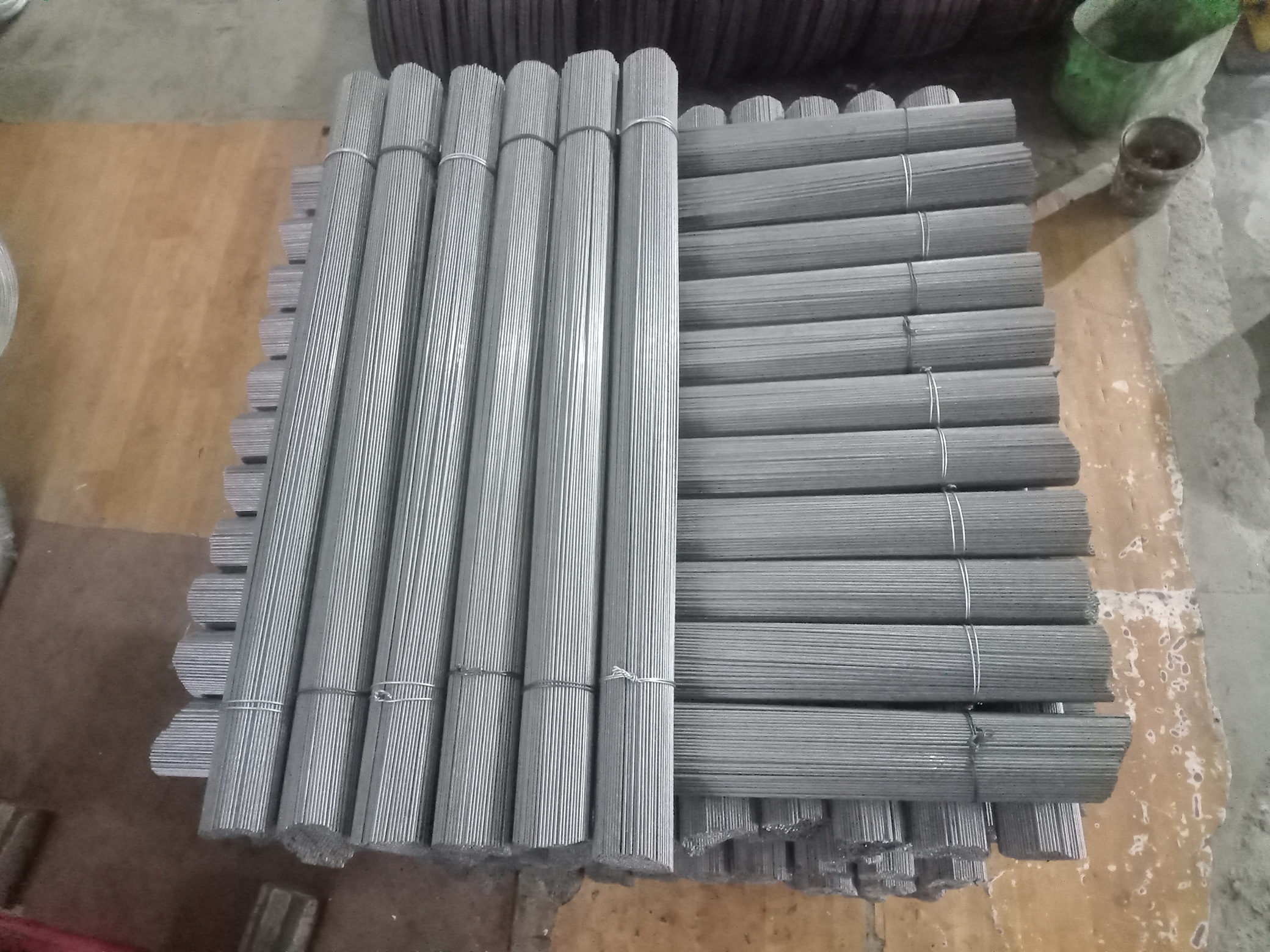
Commodity price volatility, supply chain digitisation, and green sourcing are reshaping the wire market in 2026
1. Commodity Price Volatility Is the New Normal
If there is one thing I can guarantee about 2026, it is that copper prices will be volatile. We have seen LME copper swing from ,000 to ,500 and back within six months. Aluminium has been more stable but is trending upward as smelting capacity constraints bite and green aluminium premiums emerge.
What this means for buyers: fixed-price contracts are becoming harder to secure. More suppliers are moving to formula-based pricing linked to LME or SHFE with a processing margin on top. This is actually more transparent, but it shifts price risk to the buyer. If you are not already doing so, you should be watching commodity markets weekly and adjusting your procurement timing accordingly.
2. India's Competitive Position Is Strengthening
India's wire manufacturing base has matured significantly. Domestic producers are now capable of consistently producing IS-standard wire across copper, aluminium, GI, and enamelled categories. The quality gap with Chinese and European suppliers has narrowed considerably over the last five years.
The government's production-linked incentive (PLI) schemes for electronics, automotive, and renewable energy are driving demand for high-quality wire domestically. This is good news for Indian buyers: you can source world-class wire without import lead times, currency risk, or shipping uncertainty. The caveat is that domestic capacity is tightening for certain products, particularly fine-gauge enamelled copper wire.
3. Quality Expectations Are Rising Faster Than Prices
Buyers are increasingly sophisticated about quality. Five years ago, a test certificate was enough. Now, buyers want traceability: which mill the copper came from, what batch of enamel was used, what the in-process test results were. ISO 9001 certification is no longer a differentiator — it is a baseline requirement.
I am also seeing more buyers conduct their own incoming inspection rather than relying on supplier certificates. Digital callipers, micro-ohmmeters, and enamel adhesion testers are becoming standard equipment in procurement departments. Suppliers who cannot consistently meet tight dimensional and electrical tolerances are being weeded out.
4. The Speed Expectation Has Changed Forever
The pandemic permanently reset delivery expectations. Buyers who used to plan 4–6 weeks ahead now want delivery in 3–5 days. This is not just impatience — it reflects a broader shift to just-in-time inventory management. Holding wire stock ties up capital, and in a volatile price environment, inventory can lose value quickly.
Suppliers who carry finished stock are winning business over those who manufacture to order, even if the per-kg price is slightly higher. The ability to ship standard gauges within 24–48 hours has become a competitive advantage that outweighs a 2–3% price difference.
5. Material Switching Is Accelerating
The copper-to-aluminium switch is real and accelerating. I estimate that 12–15% of applications that used copper winding wire five years ago now use aluminium. The drivers are clear: copper at ,000+ per tonne makes aluminium at ,500 incredibly attractive. Improved aluminium alloy technology has closed the performance gap for many applications.
Similarly, the HB-to-GI wire shift continues. Higher construction quality standards, longer warranty periods, and awareness of corrosion costs are driving specification upgrades. I expect this trend to continue as infrastructure projects demand longer service life.
The Class F-to-Class H shift in enamelled wire is another material trend to watch. As I discussed in my article on Class H demand, the thermal class upgrade is becoming standard practice in motor and transformer design.
6. Sustainability Is Becoming a Procurement Criterion
This is new. Five years ago, almost no wire buyer asked about environmental credentials. Now, particularly among export-oriented manufacturers and companies supplying multinational OEMs, sustainability questionnaires are common. Buyers want to know: where does your copper come from? Is it responsibly sourced? What is your carbon footprint per kg of wire produced?
Green aluminium — produced using renewable energy — commands a premium of 5–10% in global markets. While Indian buyers are not yet paying this premium consistently, it is coming. Suppliers who invest in energy-efficient manufacturing, waste reduction, and material traceability will be better positioned as sustainability requirements tighten.
What This Means for You
Here is my consolidated advice for wire buyers navigating 2026:
- Diversify your supply base. Do not rely on a single supplier or a single material. Have qualified alternatives for copper and aluminium, GI and HB, Class F and Class H.
- Lock in pricing where possible. If a supplier offers a fixed price for 3–6 months, take it. Commodity volatility is not going away.
- Invest in quality verification. Incoming inspection is cheaper than production rework. Basic testing equipment pays for itself quickly.
- Build supplier relationships. In a tightening market, the buyers with strong relationships get priority allocation and better terms.
- Evaluate material switching. If you have not reviewed whether aluminium could replace copper, or GI could replace HB, in your applications, 2026 is the year to do it.
7. Industry-Sector Breakdown: How Trends Affect Different Buyer Segments
The impact of each market trend varies significantly across different wire-buying industries. The table below maps the primary trend, key concern, and recommended action for each major buyer segment.
| Industry Sector | Primary Trend Impact | Key Concern | Recommended Action |
|---|---|---|---|
| Construction | Price volatility, GI adoption | Cost overruns on fixed-bid projects | Use price-escalation clauses in contracts; pre-book 60-day wire requirements |
| Motor Manufacturing | Copper→aluminium switch, Class F→H upgrade | Redesign cost vs material saving trade-off | Conduct thermal performance trials with aluminium magnet wire in 3–5 HP motor lines |
| Transformer Manufacturing | Enamelled wire quality demands, Class H uptake | Incoming inspection cost, reject rate | Install micro-ohmmeter and dielectric tester; request batch-test reports from suppliers |
| Fencing Contractors | HB→GI migration, sustainability criteria | Warranty claims from corrosion | Switch to GI wire for all new projects; verify zinc coating weight per IS 280 |
| Automotive OEMs | Sustainability compliance, just-in-time delivery | Carbon footprint reporting for supply chain audits | Request environmental product declarations (EPDs) from wire suppliers; audit at least 2 sources annually |
| Power Distribution | Domestic capacity tightness, quality traceability | Supply continuity for ongoing tenders | Maintain dual supplier approval; negotiate 6-month rate contracts with volume flexibility |
| Jewellery / Craft | Speed expectation, price volatility | Small-lot availability at consistent price | Identify suppliers offering dead-weight pricing with same-day dispatch for standard gauges |
| Shipbuilding / Marine | Material switching, quality expectations | Corrosion resistance certification (IEC 60092) | Pre-qualify marine-grade wire suppliers; demand mill test certificates with each batch |
Source: Goyal Metal market analysis based on 2026 procurement patterns across Indian wire buyer segments.
8. Price Forecast: LME Copper & SHFE Aluminium Outlook (2025–2027)
The table below consolidates observed and forecast price ranges for the two most important wire commodities, expressed in Indian rupees per kilogram. Use this as a reference for budget planning and procurement timing.
| Period | LME Copper (₹/kg range) | SHFE Aluminium (₹/kg range) | Trend Direction | Key Drivers |
|---|---|---|---|---|
| H1 2025 | ₹780 – ₹850 | ₹210 – ₹230 | ⬆ Rising | Global supply deficit, Chinese stimulus demand, weak USD |
| H2 2025 | ₹830 – ₹920 | ₹225 – ₹245 | ⬆ Strong Rise | US tariff uncertainty, smelter cuts in China, renewable energy copper demand |
| H1 2026 (observed) | ₹880 – ₹960 | ₹240 – ₹260 | ⬆ Volatile High | ₹180+/kg swing in Q1; India PLI-driven demand; tight scrap availability |
| H2 2026 (forecast) | ₹850 – ₹940 | ₹245 – ₹270 | → Consolidation | Possible demand softening in China; new mine supply from DRC and Peru; aluminium substitution caps copper upside |
| H1 2027 (outlook) | ₹820 – ₹910 | ₹255 – ₹285 | → Mixed | Copper: moderation on supply recovery; Aluminium: structural deficit from green transition demand |
Analysis: H1 2025 – H1 2026
Copper prices rose nearly 18% between January 2025 and mid-2026, driven by a structural supply deficit that left LME warehouse stocks at multi-year lows. Chinese smelter cuts in Q3 2025 exacerbated the squeeze, while India's own consumption grew an estimated 8–10% year-on-year, partly from PLI-linked manufacturing. For wire buyers, the volatility meant that waiting even two weeks to place an order could result in a ₹30–50 per kg price difference.
Analysis: H2 2026 – H1 2027
Looking ahead, copper is expected to consolidate as new mine supply from the Kamoa-Kakula expansion in DRC and the Quellaveco ramp-up in Peru reaches the market. However, aluminium is forecast to continue its upward trajectory as the green energy transition — solar, wind, EVs — creates structural demand growth that smelting capacity cannot match. SHFE aluminium at ₹270/kg by late 2026 is a realistic scenario. Wire buyers should consider aluminium inventory buildup if they can warehouse material safely, as the price trajectory suggests limited downside.
Note: Price ranges are indicative and based on Goyal Metal market intelligence. Actual transaction prices will include processing margins, logistics, and taxes. This is not investment advice.
9. Quarterly Action Plan: What to Do This Quarter
Market trends are useful to understand, but action is what drives results. Here is a concrete, timeline-based action plan for wire buyers, organised by urgency.
🔴 NOW — This Month (July 2026)
- Request updated pricing from all active suppliers for your top-10 wire SKUs. Compare formula-based vs fixed-price options.
- Audit current inventory against production forecasts for the next 60 days. Identify gaps where lead times exceed 5 working days.
- Contact 3 new suppliers (at least one in a different geography) and request qualification questionnaires and sample rolls.
- Review the last 12 months of purchase data to identify your top-5 costliest line items by total spend. Flag any where aluminium substitution is feasible.
- Check all incoming inspection equipment — digital callipers, micro-ohmmeter, enamel adhesion tester — and recalibrate if readings are out by more than 1%.
- Update your approved supplier list and remove any vendor who has failed quality checks more than twice in the past 6 months.
- Subscribe to a commodity price alert service (LME copper, SHFE aluminium) to receive weekly price summaries by email.
🔴 NEXT QUARTER (Aug–Sep 2026)
- Formalise at least one dual-source arrangement for your most critical wire SKU. Issue a trial PO to the secondary supplier.
- Negotiate a 3-month rate contract with your primary supplier, locking a fixed processing margin regardless of LME movement.
- Conduct a make-versus-buy analysis for any wire product you currently import. Evaluate whether domestic sourcing would reduce total landed cost by 5% or more.
- Run a material-substitution trial: identify one application where aluminium can replace copper (or GI can replace HB) and complete prototype testing.
- Request environmental declarations (EPD or equivalent) from your top 3 suppliers. File them in your compliance records for upcoming audits.
- Attend one industry event or supplier open house to build relationships and stay current on market intelligence.
- Review your logistics footprint: map supplier locations against your consumption centres. Identify opportunities to reduce average inbound freight cost by 8–10%.
🔴 NEXT 6 MONTHS (Oct–Dec 2026)
- Implement a quarterly supplier scorecard with weighted criteria: price competitiveness (30%), on-time delivery (25%), quality conformance (25%), responsiveness (20%).
- Evaluate converting at least 20% of your copper-wire SKUs to aluminium equivalents based on the H1 trial results. Create a phased migration timeline.
- Upgrade your incoming inspection protocol — add a pinhole tester for enamelled wire and a tensile tester for GI/HB wire if not already in use.
- Negotiate volume-based pricing tiers with your top 2 suppliers. Target a 3–5% discount for consolidated monthly volumes above a defined threshold.
- Develop a commodity hedging strategy: explore whether your financial team can use LME/SHFE futures to lock in wire input costs for 6–12 months.
- Survey your downstream customers on their sustainability requirements. If 40%+ expect green sourcing, build it into your supplier RFQ for the next tender.
- Document all material specifications, supplier approvals, and inspection procedures into a formal procurement manual. This becomes your organisational asset.
🔴 NEXT YEAR (Jan–Jun 2027)
- Full rollout of aluminium substitution programme for all identified SKUs. Target 10–15% reduction in overall wire procurement cost.
- Establish a preferred-supplier programme with 3–5 thoroughly audited vendors. Standardise commercial terms, payment cycles, and quality thresholds.
- Implement a digital procurement dashboard tracking real-time commodity prices, PO status, supplier delivery performance, and inventory turns.
- Conduct annual supplier audits for all preferred vendors. Cover quality systems, production capacity, financial stability, and environmental compliance.
- Launch a formal sustainability sourcing policy with published targets: e.g., "70% of purchased wire by volume will come from suppliers with ISO 14001 certification by end of 2027."
- Review your total cost of ownership (TCO) for wire procurement — including purchase price, logistics, inspection, rejections, inventory carrying cost, and supplier management overhead.
- Explore international sourcing options for niche products (e.g., specialised enamelled wire, ultra-fine gauges) and benchmark against domestic alternatives.
10. Regional Variation: How Market Trends Differ Across India
Wire market trends do not apply uniformly across India. Regional economic drivers, industrial clusters, and logistics infrastructure create distinct local dynamics. Here is how the trends play out in key Indian markets.
Delhi NCR
The Delhi NCR market is dominated by construction and transformer manufacturing, both of which feel commodity price volatility acutely. The region's massive real estate development — driven by the Delhi-Mumbai Industrial Corridor, Noida-Greater Noida expressway projects, and the redevelopment of Delhi's residential colonies — keeps demand for GI wire, binding wire, and HT/XLPE conductor wire consistently high. Transformer manufacturers in Ghaziabad, Faridabad, and Sonipat are among the most quality-conscious buyers in the country, increasingly demanding Class H enamelled wire and batch-level test certificates.
Price volatility creates particular challenges for Delhi NCR buyers because of the prevalence of fixed-bid government infrastructure contracts. Contractors who win tenders on tight margins cannot absorb rapid copper price increases. We are seeing more contractors insert price-escalation clauses in their bids or pre-purchase wire at committed rates before quoting for projects. The HB-to-GI migration is also most visible here: municipal corporations and private developers alike are specifying GI wire for all new work, spurred by the National Building Code updates.
Mumbai
Mumbai's wire market is shaped by its role as India's port and financial capital. Port logistics at Nhava Sheva directly affect import lead times and landed costs for wire products, particularly specialised enamelled copper wire from Europe and high-tensile wire from China. The city's petrochemical and oil refining sector — including the Patalganga and Navi Mumbai industrial belts — consumes significant quantities of corrosion-resistant wire grades for instrumentation, earthing, and cable armouring.
Mumbai buyers tend to be more exposed to import-related uncertainties. Customs clearance delays, container shortages, and freight rate volatility are recurring pain points. As a result, we see Mumbai-based procurement managers leading the shift toward domestic sourcing, willing to pay a 3–5% premium for the reliability of local supply. The speed expectation trend is especially strong here — manufacturers in MIDC areas expect next-day delivery for standard wire gauges, and suppliers without Mumbai warehousing struggle to compete.
Bangalore
Bangalore's wire market is driven by electronics, aerospace, and the rapidly growing electric vehicle (EV) ecosystem. The city is home to India's largest concentration of electronics manufacturing services (EMS) companies, which consume ultra-fine enamelled copper wire for transformers, inductors, and micro-motors. Quality expectations here are among the highest in the country — Bangalore EMS buyers routinely conduct X-ray fluorescence (XRF) analysis on incoming copper wire to verify purity, a step most other regions have not adopted.
The aerospace sector in and around Bangalore — HAL, Boeing supply chain partners, and defence PSUs — requires wire conforming to MIL-spec and DEF-STAN standards, creating a niche for premium-certified suppliers. EV battery pack manufacturers and charging infrastructure companies are also driving demand for high-voltage, flame-retardant wire grades. Sustainability is a stronger criterion here than in any other Indian market, driven by the ESG reporting requirements of global tech and auto OEMs. Bangalore buyers are most likely to pay the green aluminium premium.
Chennai
Chennai is the automotive and marine wire hub of India. The Chennai-Bengaluru Industrial Corridor, combined with the presence of Hyundai, Renault-Nissan, Ashok Leyland, and a dense tier-2 auto ancilliary cluster in Sriperumbudur and Oragadam, makes it the largest consumer of automotive-grade wire in the country. The primary trends here are the copper-to-aluminium switch in wiring harnesses and the Class F-to-Class H upgrade in EV traction motors.
The marine sector in Chennai — shipbuilding at the Chennai Port Trust yard, Kattupalli Shipyard, and offshore supply vessel operators — demands wire certified to IEC 60092 (marine-grade) and BS 6883 standards. This is a specialised procurement category with limited domestic supplier options, so marine buyers are less price-sensitive and more concerned with certification traceability and batch consistency. The speed expectation trend is somewhat muted here — marine procurement cycles remain 4–6 weeks for certified material — but we see this compressing as shipyards adopt lean inventory practices.
Kolkata
Kolkata's wire market is anchored in steel, mining, and jute (ancillary machinery), making it distinct from the other metros. The city serves as a gateway to Eastern India's mineral-rich states — Jharkhand, Odisha, Chhattisgarh — where mining and steel plant demand for heavy-gauge wire, earthing wire, and ACSR conductor wire is substantial. Key buyers include SAIL, Tata Steel, and the mining contractors operating in the Damodar Valley and Keonjhar belt.
Price sensitivity in Kolkata is higher than in any other major market. Steel and mining companies operate on thin procurement margins and are aggressive negotiators. Fixed-price contracts are rare; most procurement is done via quarterly tender with formula-based adjustment. The quality expectation trend is less advanced here — incoming inspection is often limited to visual checks and dimensional measurement — but we expect this to change as mining safety regulations tighten. Sustainability is a nascent criterion, largely limited to companies exporting to EU markets. The domestic capacity tightening trend is acutely felt here: Kolkata buyers often compete with Delhi NCR and Mumbai for the same supplier capacity, and smaller buyers face allocation pressure during peak demand months.
11. Sourcing Strategy Decision Framework
Use the framework below to evaluate your wire supply chain strategy. Each decision node presents a binary choice with recommended pathways based on your buying profile, risk tolerance, and market position.
                      ╔══════════════════════════════════╗
                      ║  YOUR WIRE SOURCING PROFILE      ║
                      ║  (Monthly volume, risk appetite, ║
                      ║   quality tier, budget stability) ║
                      ╚══════════════════════════════════╝
                                       │
                                       ▼
                     ┌──────────────────────────────────┐
                     │  Q1: VOLUME COMMITMENT           │
                     │  Can you commit to a fixed        │
                     │  monthly volume (≥500kg)?         │
                     └──────────────────────────────────┘
                        │              │
                       YES             NO
                        │              │
                        ▼              ▼
            ┌──────────────────┐   ┌──────────────────┐
            │ Negotiate rate   │   │ Spot-buy from    │
            │ contract with    │   │ stockist with    │
            │ 3–5% margin     │   │ daily pricing    │
            │ discount +       │   │ (expect 2–5%     │
            │ price floor      │   │ premium over     │
            │ protection       │   │ contract rate)   │
            └──────────────────┘   └──────────────────┘
                        │              │
                        └──────┬───────┘
                               │
                               ▼
                     ┌──────────────────────────────────┐
                     │  Q2: SOURCING MODEL              │
                     │  Single supplier or dual/        │
                     │  multi-supplier strategy?        │
                     └──────────────────────────────────┘
                        │              │
                     SINGLE          DUAL/MULTI
                        │              │
                        ▼              ▼
            ┌──────────────────┐   ┌──────────────────┐
            │ Best for:        │   │ Best for:        │
            │ - Custom specs   │   │ - Standard specs │
            │ - Tight quality  │   │ - High volume     │
            │   requirements   │   │ - Price-sensitive │
            │ - Small volumes  │   │ - Risk-averse     │
            │ Risk: supply     │   │ Risk: split       │
            │ disruption       │   │ volume erodes     │
            │                  │   │ negotiation power │
            └──────────────────┘   └──────────────────┘
                        │              │
                        └──────┬───────┘
                               │
                               ▼
                     ┌──────────────────────────────────┐
                     │  Q3: SOURCE GEOGRAPHY            │
                     │  Domestic vs import?             │
                     └──────────────────────────────────┘
                        │              │
                    DOMESTIC        IMPORT
                        │              │
                        ▼              ▼
            ┌──────────────────┐   ┌──────────────────┐
            │ Advantages:      │   │ Advantages:       │
            │ - 3–5 day lead   │   │ - Lower base cost │
            │ - No LC/forex    │   │   (5–15%)         │
            │ - Easier QC      │   │ - Access to       │
            │ - Lower min. Qty │   │   specialised     │
            │ Consider if:     │   │   products        │
            │ lead time is     │   │ Consider if:      │
            │ critical OR      │   │ domestic quality  │
            │ volumes are      │   │ doesn't meet      │
            │ below 1T/month   │   │ spec OR volume    │
            │                  │   │ is >5T/month      │
            └──────────────────┘   └──────────────────┘
                        │              │
                        └──────┬───────┘
                               │
                               ▼
                     ┌──────────────────────────────────┐
                     │  Q4: CONTRACT STRUCTURE          │
                     │  Long-term contract (>6 mo) or   │
                     │  quarterly tender?               │
                     └──────────────────────────────────┘
                        │              │
                   LONG-TERM       QUARTERLY
                        │              │
                        ▼              ▼
            ┌──────────────────┐   ┌──────────────────┐
            │ Best for:        │   │ Best for:        │
            │ - Stable demand  │   │ - Fluctuating     │
            │ - Known specs    │   │   demand          │
            │ - Price certainty│   │ - Multiple specs  │
            │ - Strategic      │   │ - Testing new     │
            │   relationship   │   │   suppliers       │
            │ Lock in: fixed   │   │ Include: price    │
            │ margin + LME     │   │ adjustment clause │
            │ pass-through     │   │ based on LME/     │
            │ formula          │   │ SHFE movement     │
            └──────────────────┘   └──────────────────┘
                        │              │
                        └──────┬───────┘
                               │
                               ▼
                      ╔══════════════════════════════════╗
                      ║  YOUR OPTIMAL STRATEGY           ║
                      ║  Combine decisions from Q1–Q4    ║
                      ║  into a written sourcing plan.   ║
                      ║  Review and update quarterly.    ║
                      ╚══════════════════════════════════╝
How to Use This Framework
Start at the top with your current sourcing profile: monthly volume across all wire categories, your organisation's risk tolerance (are you price-sensitive or supply-security-sensitive?), the quality tier you operate in, and your budget stability. Work through each decision node in sequence, choosing the path that best fits your answers. Your final strategy is a composite of the four choices.
For example, a medium-volume transformer manufacturer with stable demand and moderate risk tolerance might choose: rate contract + dual sourcing + domestic + long-term. A small fencing contractor with variable demand might choose: spot buying + single supplier + domestic + quarterly tender. There is no single right answer — the framework is designed to make the trade-offs explicit so you can make an informed decision.
Continue Reading
Let's Talk About Your Sourcing Strategy
With 40 years of market experience, we can help you navigate volatility, evaluate material switches, and build a supply strategy that works for your business.