Rain Chain Materials: Copper vs Aluminium vs Stainless Steel
Comparing copper, aluminium and stainless steel rain chains. Aesthetics, durability, corrosion resistance and cost. Which material for your climate and budget?
Rain chains — kusari doi in Japanese — are decorative alternatives to downpipes. They guide rainwater from the gutter to the ground or a collection basin, creating a visual and auditory water feature with every rainfall. But the material you choose determines everything: how it looks, how long it lasts, and how much maintenance it needs.
Having supplied rain chain materials for over 15 years, here is what I have learned about copper, aluminium, and stainless steel.
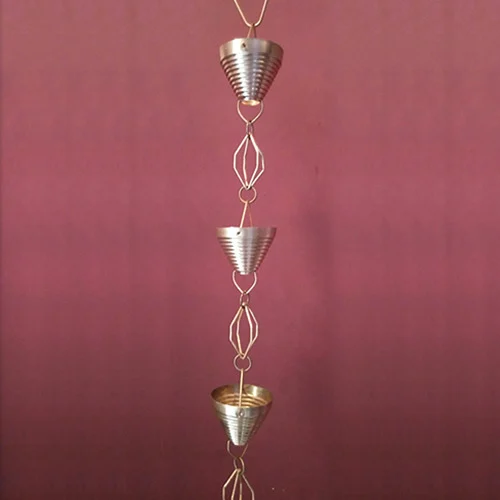
Copper — develops distinctive patina over decades
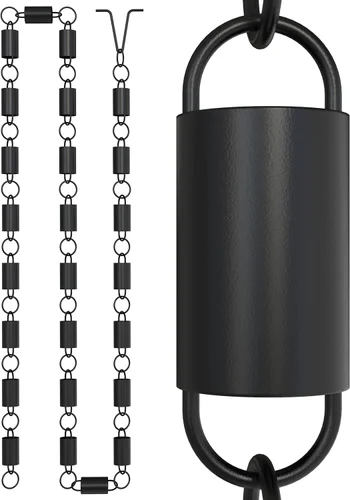
Aluminium — lightweight, anodised colours, 15-25 year lifespan
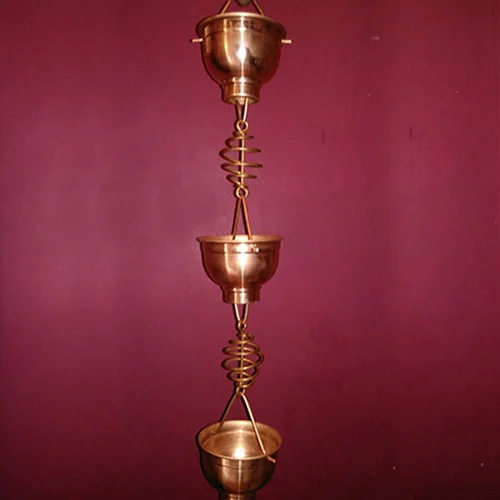
Stainless steel — 50+ year lifespan, zero maintenance
Copper Rain Chains: The Premium Choice
Copper is the traditional rain chain material — and for good reason. It develops a distinctive patina over time, transitioning from bright copper to brown to the characteristic green-blue verdigris. This patina is not just aesthetic; it is a protective layer that prevents further corrosion.
Lifespan: 30-50+ years. Copper rain chains from the 1980s are still functional and beautiful today.
Maintenance: Minimal. The patina protects the metal. No painting, no coating, no treatment needed.
Aesthetic: Unmatched. The colour evolution over years gives each rain chain a unique character. Copper also produces a warm, rich sound when water flows through it.
Cost: Highest of the three options. Copper raw material prices are significantly higher, and fabrication requires skilled craftsmanship.
Best for: Heritage homes, gardens designed for maturity, high-end architectural projects, coastal areas (copper handles salt air beautifully), and homeowners who appreciate the patina evolution.
Aluminium Rain Chains: The Practical Performer
Aluminium rain chains are lightweight, corrosion-resistant, and available in a wide range of colours through anodising or powder coating. They are the most popular choice for modern residential installations.
Lifespan: 15-25 years with proper coating. Uncoated aluminium will oxidise to a dull grey, but the oxide layer protects the metal.
Maintenance: Low. Anodised or powder-coated aluminium needs occasional cleaning to prevent dirt buildup. The coating may fade over 10-15 years in strong sun.
Aesthetic: Clean and modern. Anodised aluminium offers consistent colour that stays vibrant for years. The sound is lighter than copper — some prefer this subtlety.
Cost: Moderate. Much more affordable than copper, more expensive than basic steel options.
Best for: Modern homes, budget-conscious projects, colour-matched installations, areas with low-to-moderate rainfall, DIY installations (lightweight and easy to handle).
Stainless Steel Rain Chains: The Industrial Option
Stainless steel rain chains offer maximum durability and a sleek, modern appearance. They are less common than copper or aluminium but have a devoted following among architects and designers.
Lifespan: 50+ years. Stainless steel (304 or 316 grade) is virtually indestructible in residential use. Grade 316 is marine-grade and withstands coastal environments better than any other material.
Maintenance: Very low. Stainless does not corrode, rust, or patina. It can develop tea staining in coastal areas but this is cosmetic only.
Aesthetic: Contemporary and minimalist. The bright silver finish stays consistent. Stainless steel produces a clear, crisp water sound — louder and more musical than aluminium.
Cost: High — comparable to or exceeding copper for marine-grade (316) stainless. 304 grade is slightly less expensive.
Best for: Contemporary architecture, coastal homes, commercial installations, high-rainfall areas, projects where zero maintenance is required, industrial-style designs.
Quick Comparison Table
| Factor | Copper | Aluminium | Stainless Steel |
|---|---|---|---|
| Lifespan | 30-50+ years | 15-25 years | 50+ years |
| Corrosion resistance | Excellent (patina protects) | Good (coating dependent) | Excellent (316 is marine-grade) |
| Colour options | Natural evolution (copper → brown → green) | Wide range (anodised/painted) | Silver metallic only |
| Weight | Heavy | Light | Heavy |
| Relative cost | ₹₹₹₹ | ₹₹ | ₹₹₹-₹₹₹₹ |
| Sound quality | Warm, rich | Light, subtle | Clear, crisp, loud |
| Maintenance | Minimal | Low (occasional cleaning) | Very low |
Choosing by Climate
Coastal areas (within 5 km of the sea): Copper or 316 stainless steel. Aluminium can survive but the coating may degrade faster from salt spray. Copper and 316SS handle salt air without issue.
High rainfall areas: All three work well. Stainless steel produces the best sound experience in heavy rain. Copper develops its patina faster with more water contact.
Dry / low-rainfall areas: Aluminium is the practical choice. Copper will take decades to patina in dry climates — it may stay brown for 20+ years before going green. Stainless steel looks equally good in dry conditions.
Polluted / industrial areas: Acid rain accelerates patina formation on copper, which is fine aesthetically. Aluminium with a quality coating is acceptable. Stainless steel (304 grade minimum) handles pollution well.
Frequently Asked Questions
Which rain chain material is the most durable?
Stainless steel (grade 316) is the most durable overall — it resists corrosion, impact, and temperature extremes. Copper is equally durable in terms of lifespan but is softer and can be damaged by impact. Aluminium is the least durable but still provides 15-25 years of service.
Does copper stain the ground below the rain chain?
Yes, copper can leave green-blue stains on light-coloured stone, concrete, or paving below the rain chain during the early years before the patina fully stabilises. This is cosmetic and can be managed with a splash basin or drip tray. Once the patina matures (2-5 years), staining significantly reduces.
Can I paint my rain chain to match my house trim?
You can paint aluminium rain chains easily with good adhesion. Copper can be painted but it defeats the purpose — the patina evolution is copper main aesthetic advantage. Stainless steel is very difficult to paint permanently; the coating will not adhere well.
What length rain chain do I need?
Measure from the gutter outlet to the top of your collection basin or the ground. Add 15-20 cm for the attachment hardware. Standard lengths are 2.4 m (single storey) to 3.6 m (tall single storey). For two-storey installations, you may need 5-6 m. Most suppliers (including us) can make custom lengths.
Continue Reading
Get a Quote Within 2 Working Days
We supply copper, aluminium and stainless steel rain chains in multiple link styles and custom lengths. Bulk and individual orders accepted.