Corrosion & Storage Damage: How to Keep Wire Stock From Failing Before Use
Wire that sits in storage for weeks or months before use can degrade significantly — or fail completely — if not stored correctly. Rust, oxidation, embrittlement, and insulation cracking are all preventable with the right storage practices. Here is what every wire buyer needs to know.
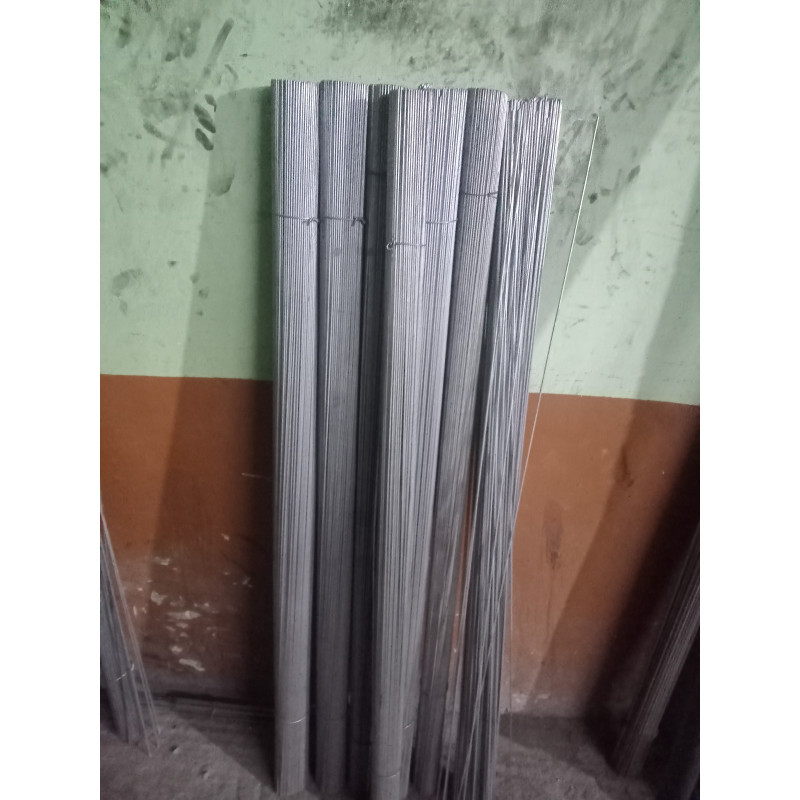
White rust on improperly stored GI wire — the damage is invisible until the wire is installed and fails
Why Wire Degrades in Storage
Wire is a manufactured product that continues to interact with its environment after production. The three main degradation mechanisms are:
Moisture — The Primary Enemy
Relative humidity above 60% triggers corrosion on steel wire and oxidation on copper wire. In coastal cities like Mumbai and Chennai, humidity regularly exceeds 80%. Wire stored in open sheds near the coast can develop visible rust within 2-3 weeks. For GI wire, moisture causes "white rust" — a powdery zinc hydroxide corrosion product that, while less damaging than red rust, still reduces the sacrificial protection of the zinc coating.
Temperature Cycling
Day-night temperature fluctuations cause condensation inside storage areas, even if the overall humidity is moderate. This is especially damaging for enamelled copper wire (winding wire), where condensation between tightly wound layers can cause insulation failure.
Mechanical Damage
Improperly stored spools that are stacked too high, rolled roughly, or stored on uneven surfaces develop edge damage, kinking, and spool deformation. These mechanical defects create weak points that fail during installation.
Real example: A transformer manufacturer in Delhi stored 500 kg of enamelled copper wire in an open shed for three months during the monsoon season. The enamel absorbed moisture and developed micro-cracks. When the wire was wound into transformer coils, the insulation failed under load. The entire batch of 12 transformers had to be rewound at a cost of ₹4.8 lakh.
Storage Requirements by Wire Type
| Wire Type | Storage Requirements | Max Shelf Life | Failure Mode |
|---|---|---|---|
| GI Wire (Hot-Dip Galvanised) | Indoor, dry, RH <60%. Keep off ground on pallets. Do not stack more than 3 high. | 12 months | White rust, reduced zinc protection |
| HB Wire (Hard Bright) | Indoor, climate-controlled, RH <50%. Apply light oil coating for storage >3 months. | 6 months | Red rust, pitting, strength loss |
| Copper Wire (bare) | Indoor, RH <55%. Avoid ammonia, sulphur, acid fumes. Tarnish accelerates in polluted air. | 18 months | Oxidation (black/dark patina), increased resistance |
| Enamelled Copper Wire | Indoor, climate-controlled, RH <45%. Original packaging. No stacking. Temperature 15-25°C. | 6-12 months | Enamel cracking, dielectric breakdown |
| Aluminium Wire | Indoor, RH <65%. Avoid direct contact with copper or steel (galvanic corrosion). | 24 months | Surface oxidation (white), galvanic corrosion at contact points |
| Stainless Steel Wire | Indoor or covered outdoor. Most corrosion-resistant. Avoid chloride exposure (coastal storage can cause pitting). | 36+ months | Surface staining, chloride pitting in coastal |
Best Practices for Wire Storage
Do This
- Store on wooden or plastic pallets at least 15 cm off the ground
- Cover with breathable tarpaulin or VCI paper
- Maintain good air circulation around stored coils
- Rotate stock: first in, first out
- Inspect monthly for early signs of corrosion
- Use dehumidifiers in closed storage rooms
Do Not Do This
- Store directly on concrete or bare earth
- Cover with plastic sheets (traps condensation)
- Stack spools more than 3 high
- Store in the same area as chemicals (acids, solvents, fertilisers)
- Store near open doors or windows where humid air enters
- Leave partially used spools uncovered
Pro tip for enamelled copper wire: If you use enamelled copper wire (winding wire) in your manufacturing, store it in a temperature-controlled room (15-25°C) with humidity below 45%. Remove only as much wire as you will use in one shift. Leaving a spool partially unwound in a humid environment overnight can cause enough moisture absorption to reduce the dielectric strength by 20-30%.
How to Identify Storage Damage Before Use
Always inspect wire before installation, especially if it has been in storage for more than 30 days. Here is what to look for:
- White powdery residue on GI wire — Zinc hydroxide ("white rust"). While less severe than red rust, it indicates moisture exposure and reduced corrosion protection. Clean with a stiff brush and check zinc weight if critical.
- Red/orange-brown spots on HB or GI wire — Active corrosion. If the spots are superficial, wire may still be usable. If pitting is visible (small depressions), the wire has lost strength and should be discarded.
- Dark or black discolouration on copper wire — Surface oxidation. Minor tarnish is cosmetic and does not significantly affect conductivity. Heavy black or green patina indicates prolonged moisture exposure and may increase electrical resistance.
- Stiffness or brittleness — Bend a test sample. If it snaps with fewer bends than expected (refer to IS standard bend test requirements), the wire has become embrittled, likely from hydrogen embrittlement or age-hardening.
- Enamel peeling or cracking on copper winding wire — Use a 10x magnifier to inspect the enamel surface. Crazing, cracking, or peeling indicates insulation failure. Test with a megger at 500 V if in doubt.
Important note: Storage damage is typically the buyer's responsibility. Most wire suppliers (including Goyal Metal) deliver wire in good condition and warrant quality at the point of delivery. Once the wire is in your custody, proper storage becomes your responsibility. We provide storage guidelines with every shipment — follow them.
Continue Reading
We Ship Wire Ready for Storage
Every Goyal Metal shipment includes storage guidelines. We deliver fresh stock with proper packaging to minimise storage risks. Contact us for advice on storing your specific wire type.